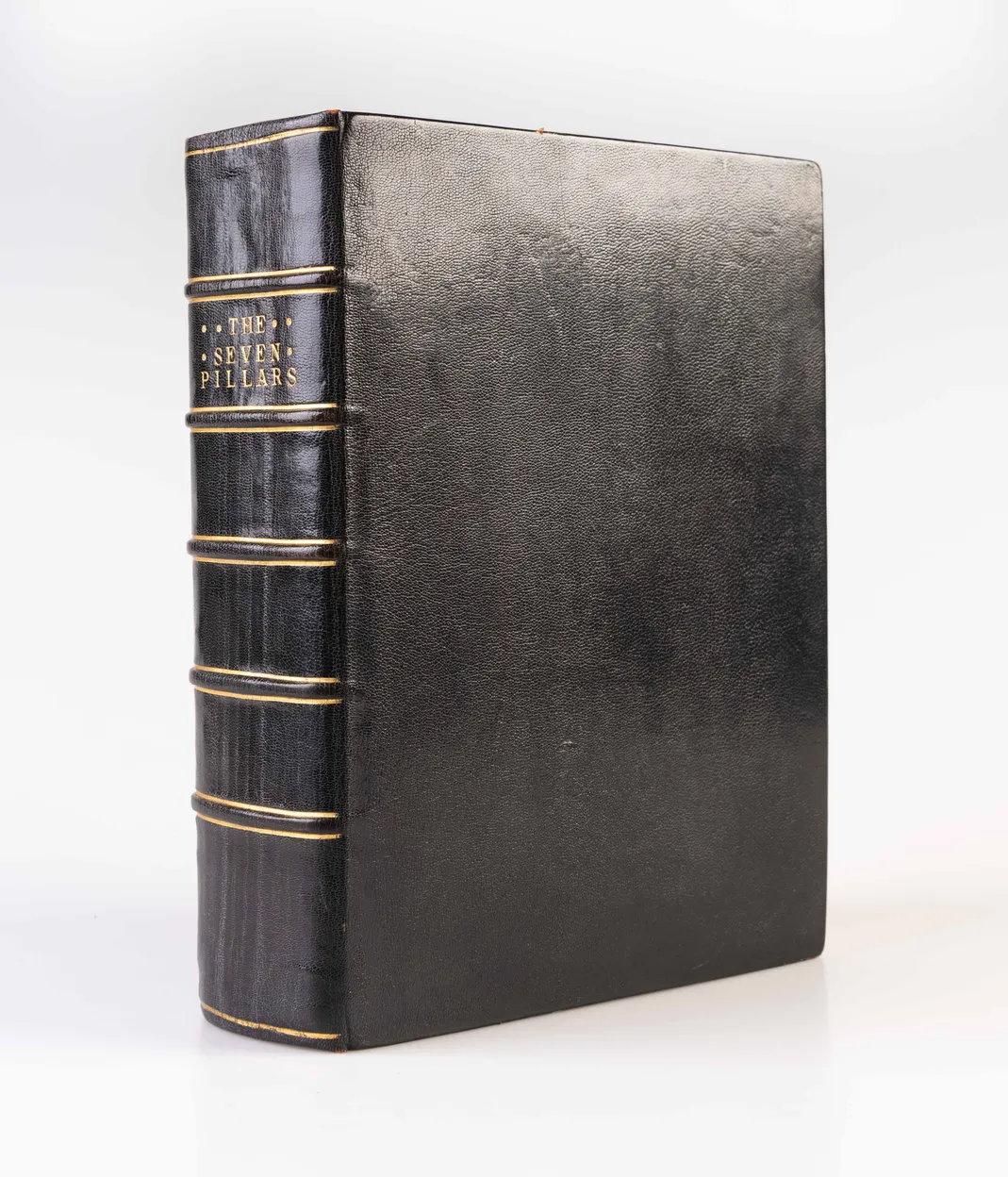
A truly beautiful example of the subscribers, or "Cranwell" edition, of Lawrence’s autobiographical account of his part in the Arab Revolt of 1916-18. It comes with exceptional provenance, having belonged to Edward and David Garnett, both of whom played highly important parts in shaping Lawrence’s legacy: Edward received one of the five bound copies of the Oxford Times 1922 edition of the Seven Pillars and produced its first full abridgement; David, in his seminal publications, The Letters of T.E. Lawrence (1938) and The Essential T.E. Lawrence (1951), helped paint a more comprehensive picture of Lawrence’s complex life.
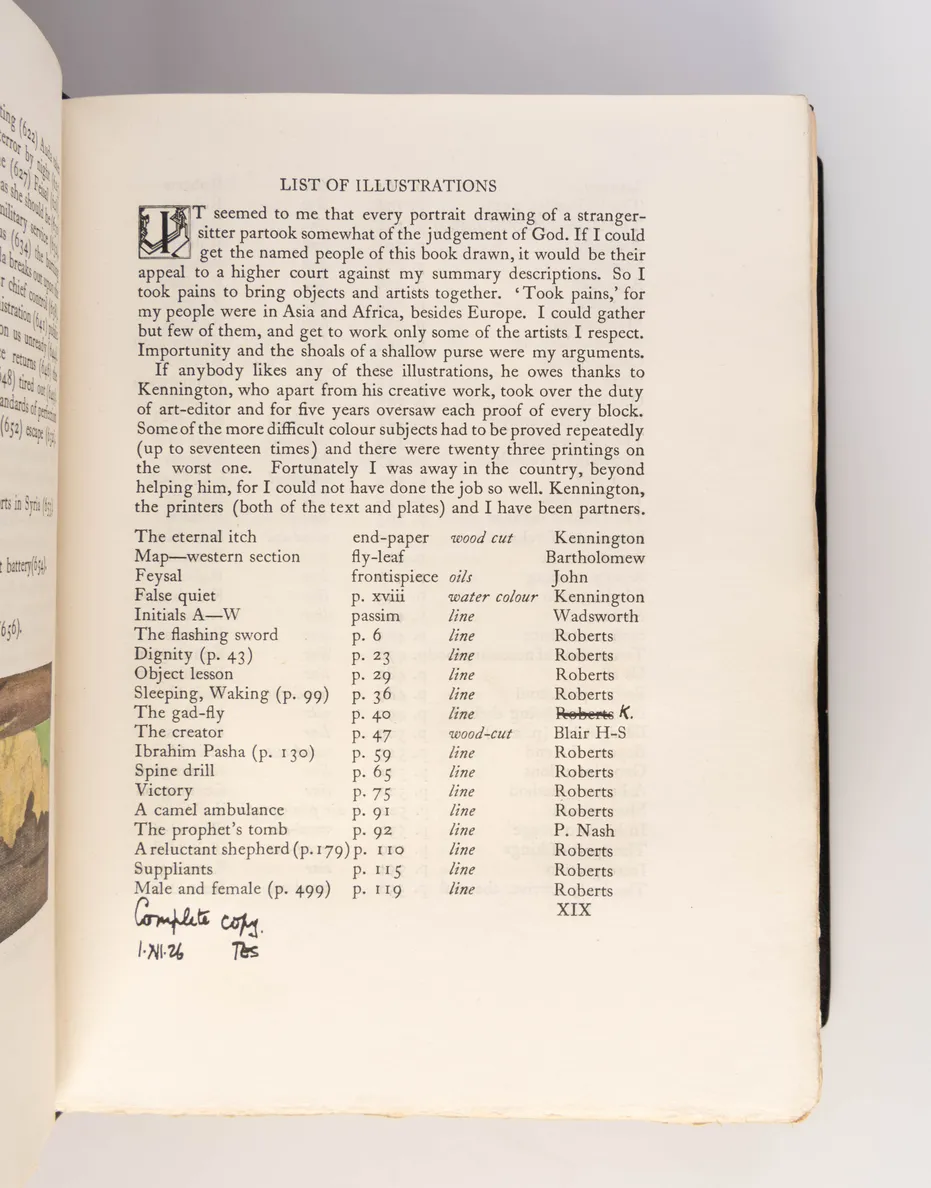
This edition was issued in just 211 copies, of which there were 170 "complete copies", all inscribed by Lawrence. This copy is inscribed by Lawrence on p. XIX "Complete copy. 1.XII.26 TES", with his manuscript correction to the illustration list, a "K" identifying Kennington rather than Roberts as the artist responsible for 'The gad-fly'.
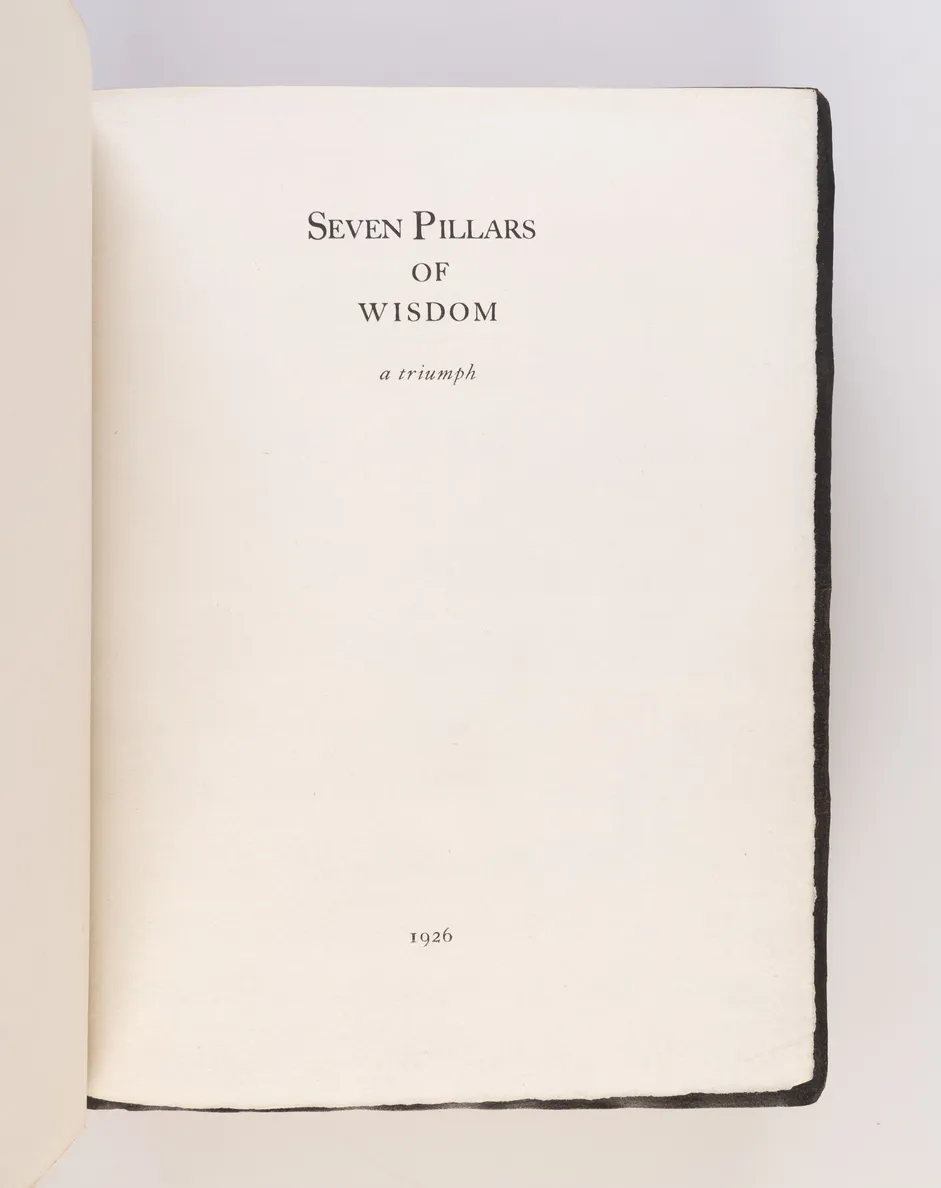
It is the earliest obtainable edition, as the Oxford Times edition of 1922 was printed in only eight copies and is effectively unprocurable. The wider public had to wait until 1927, when an abridged edition (titled Revolt in the Desert) was published, and 1935 for the first trade edition of the unabridged text.
Widely regarded as Lawrence’s literary masterpiece, Seven Pillars of Wisdom was described by Churchill as "unsurpassable. It ranks with the greatest books ever written in the English language", by E.M. Forster as a "masterpiece", and by Siegfried Sassoon as a "masterpiece … it is a GREAT BOOK". It is also an important contribution to the story of how British and Arab forces weakened the Ottomans’ hold on the Hejaz, a military struggle that contributed to the post-war shift of power in the Arabian Peninsula.
The story of the book is unutterably romantic — the young and mysterious Englishman fights a fast, mobile and effective war alongside noble Arab chiefs in the heat of the desert — and it made a powerful contrast with the mud, trenches, cold and futility of the western front. In an indescribably brutal and complex war, Lawrence was perceived to stand alone for the power of the individual.
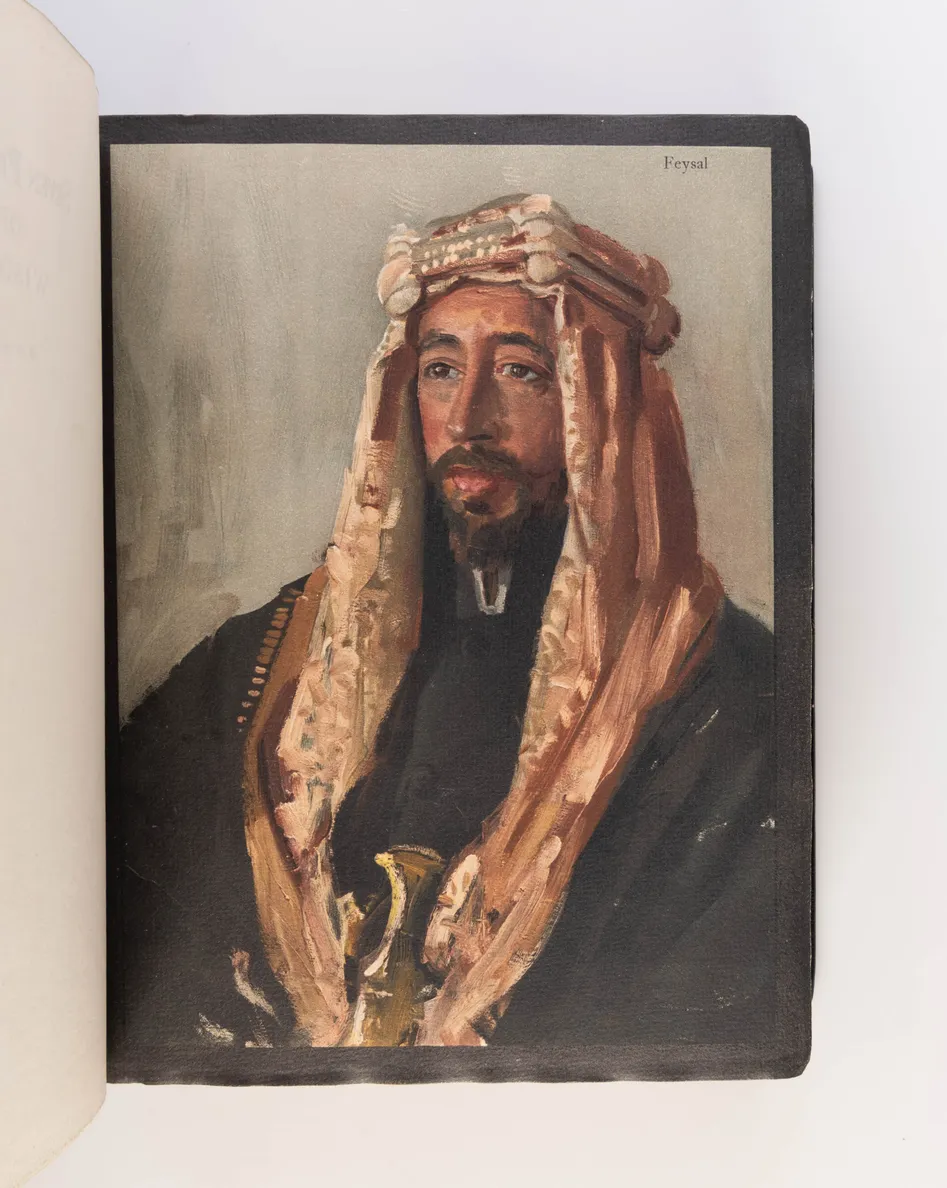
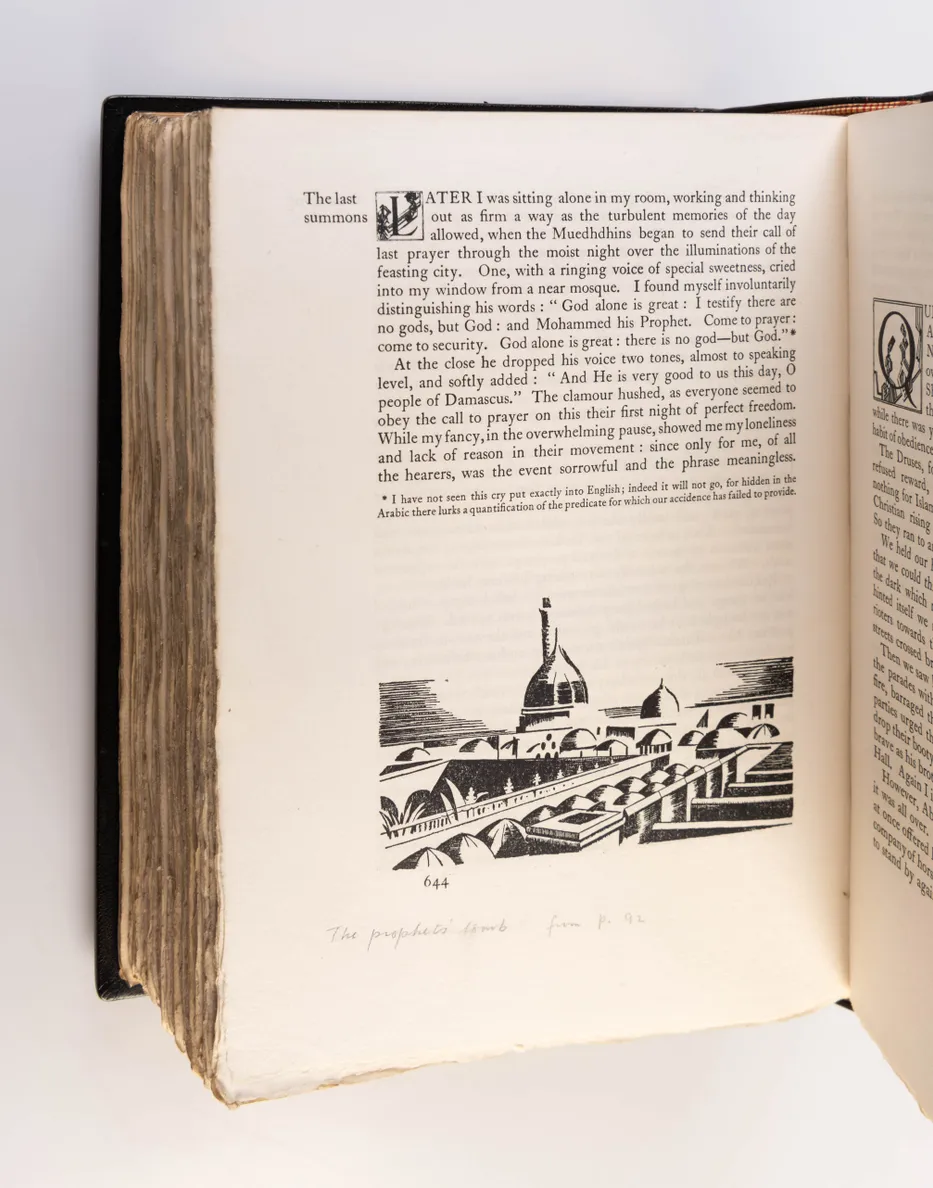
The publishing history ofSeven Pillars of Wisdom is fascinating in its own right. It was first published in an edition of eight copies only, printed very badly without any adornment by the Oxford Times in 1922: five of these eight copies survive. In contrast with the brutally functional look of the Oxford edition, for the 1926 edition Lawrence embarked on a self-publishing programme of unusual ambition and complexity. Rather than give the work to an established printer Lawrence hired a modestly experienced man called Manning Pike, and designed and supervised the production himself. Similarly, he, with Eric Kennington organised the illustrators, an impressive list including many of the best book-illustrators in Britain.
The work, predictably, took much longer than expected, and the costs rose similarly, so that the subscription of 170 copies at 30 guineas apiece came nowhere near paying off Lawrence’s debts over the book (debts which were later settled by the publication of the abridgement Revolt in the Desert). The book was an immediate and huge success: within months of its completion a copy had been sold for £500, other offers of £600 had been rejected, and as much as £20 was being offered for a loan of the book.
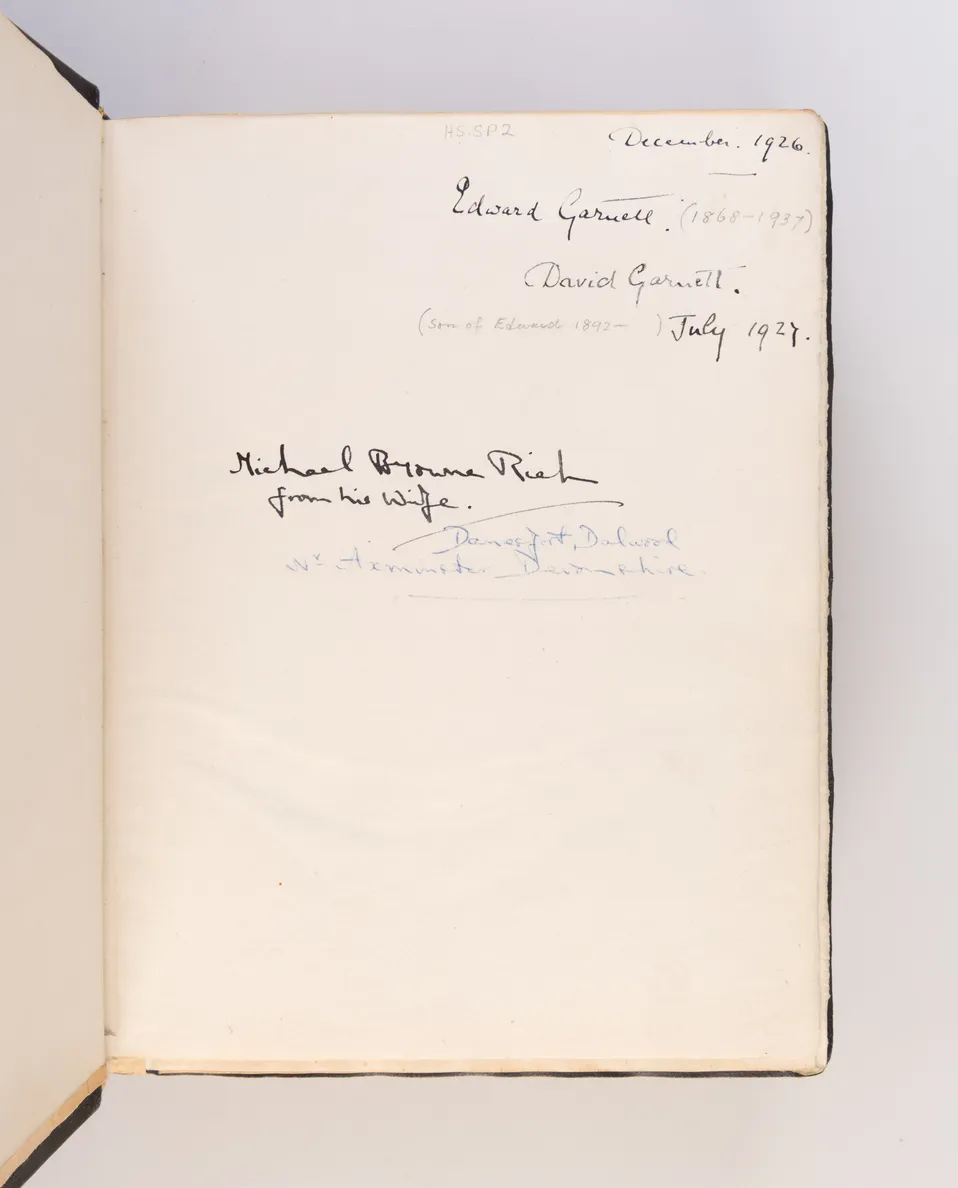
Provenance: 1). Edward Garnett (1868-1937), his ink ownership inscription to recto of first blank, dated December 1926. Garnett was an extremely influential publisher’s reader, responsible for unearthing several leading British writers of the twentieth century. Lawrence sent him a bound copy of the Oxford edition of Seven Pillars in August 1922, followed by a set of loose sheets that September, tasked with making “an experimental abridgement, cutting out about half the matter” (Garnett, p.403). At a somewhat unbelievable pace, he produced an abridgement in ten days, which Lawrence revised over six weeks. Despite their quick progress, Lawrence backed out of the project that Winter and the abridgement went unpublished until 2016 (War in the Desert, Castle Hill Press). (2). David Garnett (1892-1981), his ink ownership inscription to recto of first blank, dated July 1927. David followed in his father’s footsteps, entering the London literary world as writer and publisher. He also inherited an interest in Lawrence, editing important publications such as The Letters of T.E. Lawrence (1938), a careful selection of 583 letters arranged chronologically to cover all aspects of Lawrence’s kaleidoscopic existence. 3). Henry Sotheran, bookseller. 4). Michael Browne Rich, his ink ownership inscription to recto of first blank. 5). Harry and Caroline Spiro. 6). Lawrence von Bargen.
References: Lawrence, T.E., Garnett E., (abridged by), War in the Desert, Salisbury, Castle Hill Press, 2016; O’Brien, A040.